Billboard Hot 100 | Top 5 – Week of July 13, 1968
By mid-July 1968, the Billboard Hot 100 reflected a fascinating blend of established stars, rising rock acts, polished pop, and international influences. America was in the middle of a turbulent year politically and socially, yet radio listeners continued to embrace music that ranged from sophisticated ballads to hard-driving rock and uplifting instrumentals. The chart this week offered a snapshot of a music industry that was evolving rapidly while still rewarding strong melodies and memorable performances.
Holding firmly at number one was Herb Alpert’s This Guy’s In Love With You, a romantic ballad that had become one of the biggest records of the summer. Behind it, Cliff Nobles & Co.’s instrumental hit The Horse remained a strong challenger, while The Rolling Stones continued their powerful resurgence with Jumpin’ Jack Flash. Together, the Top 3 demonstrated the remarkable diversity listeners could find on American radio in 1968.
The week’s biggest movers included Gary Puckett and the Union Gap, whose dramatic ballad Lady Willpower climbed into the Top 5, and South African trumpeter Hugh Masekela, whose joyful instrumental Grazing In The Grass continued its impressive ascent. Elsewhere, new sounds were emerging as The 5th Dimension entered the Top 10 with Stoned Soul Picnic, further highlighting the growing sophistication of pop music during the late 1960s.
Looking back, this chart captures a moment when popular music seemed to be expanding in every direction at once. Traditional pop, rock, soul, and instrumental music all found room to thrive, creating one of the most varied and exciting chart landscapes of the decade.
Top 5 Songs (July 13, 1968)
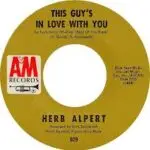
1. This Guy’s In Love With You – Herb Alpert
Herb Alpert remained comfortably at number one as This Guy’s In Love With You continued its remarkable run. The song represented a different side of Alpert, who had already become one of the most successful figures in popular music through his work with the Tijuana Brass and A&M Records.
The ballad’s emotional sincerity and elegant arrangement helped it connect with listeners across multiple generations. Its success showed that amid the growing experimentation of the late 1960s, audiences still had a strong appetite for beautifully crafted love songs.
With nine weeks on the chart and no signs of fading, it remained the defining song of the summer.
2. The Horse – Cliff Nobles & Co.
The Horse continued its impressive run at number two. Instrumental records were increasingly uncommon at the top of the Hot 100, making its sustained success all the more impressive.
Driven by a powerful horn section and infectious groove, the song became a staple at sporting events, dances, and radio stations across the country. Its upbeat energy captured the carefree spirit of summer.
Although it remained stuck behind Herb Alpert’s blockbuster hit, it was clearly one of the year’s biggest breakout records.
3. Jumpin’ Jack Flash – The Rolling Stones
The Rolling Stones held steady at number three with one of the most influential rock singles of their career. Jumpin’ Jack Flash marked a return to the band’s harder-edged blues-rock roots and quickly became a fan favorite.
The song’s unforgettable opening riff and swaggering performance helped reaffirm the Stones’ status as one of the premier rock acts of the era. It sounded powerful, confident, and distinctly different from much of the polished pop surrounding it.
Its continued success signaled the growing importance of rock music as the decade moved toward its final years.
4. Lady Willpower – Gary Puckett And The Union Gap
Gary Puckett and the Union Gap climbed into the Top 5 with another dramatic vocal showcase. Following the success of songs like Woman, Woman and Young Girl, the group continued to demonstrate a remarkable ability to connect with listeners through emotional storytelling.
Puckett’s powerful voice gave the song its distinctive character, while the arrangement balanced orchestral pop with contemporary radio appeal. The record’s steady climb reflected the group’s growing popularity.
By July 1968, they had firmly established themselves among the biggest acts in America.
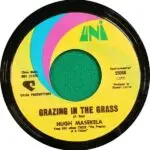
5. Grazing In The Grass – Hugh Masekela
Hugh Masekela’s infectious instrumental remained at number five and continued building momentum. Its bright trumpet melody and irresistible rhythm made it one of the most enjoyable records on radio.
The South African musician brought a fresh perspective to American audiences, helping expand the range of sounds appearing on the charts. The record felt both sophisticated and accessible, a combination that fueled its growing popularity.
With its strongest weeks still ahead, the song was poised to become one of the summer’s defining hits.
▶ Watch and experience this song →
More Weeks at #1 for “This Guy’s in Love with You”
This song spent multiple weeks at #1 on the Billboard Hot 100. Explore each chart week below:
🎂 What Was the #1 Song on Your Birthday?
If you were born during the week ending July 13, 1968, this was your birthday song:
🎵 This Guy’s in Love with You by Herb Alpert
▶ Watch and experience this song →
🎂 Born in the 60s? Try your own birthday:
Top 10 on the Billboard Hot 100 This Week
- This Guy’s In Love With You – Herb Alpert
- The Horse – Cliff Nobles & Co.
- Jumpin’ Jack Flash – The Rolling Stones
- Lady Willpower – Gary Puckett And The Union Gap
- Grazing In The Grass – Hugh Masekela
- The Look Of Love – Sergio Mendes & Brasil ’66
- Angel Of The Morning – Merrilee Rush & The Turnabouts
- Stoned Soul Picnic – The 5th Dimension
- Here Comes The Judge – Shorty Long
- Indian Lake – The Cowsills
Chart Movers This Week
Looking Back at July 1968
The July 13, 1968 chart showcases the remarkable diversity that characterized popular music during the late 1960s. Sophisticated pop ballads, instrumental hits, rock anthems, and orchestral pop all shared space on the same chart, demonstrating how broad listener tastes had become.
The continued success of Herb Alpert, Cliff Nobles & Co., and Hugh Masekela showed that instrumental and adult-oriented pop still held significant appeal. At the same time, The Rolling Stones and Gary Puckett represented very different directions for the future of mainstream music.
Today, this chart stands as a reminder that 1968 was not defined by a single sound. Instead, it was a year of musical exploration, creativity, and variety, helping shape the rich and diverse landscape that would define the closing years of the decade.