Billboard Hot 100 | Top 5 – Week of July 6, 1968
The summer of 1968 was in full swing, and the Billboard Hot 100 reflected a music scene that was becoming more adventurous by the week. Established stars continued to dominate the upper reaches of the chart, but a new generation of songs was rapidly climbing behind them. From sophisticated pop ballads to hard-driving rock and infectious instrumentals, the chart offered listeners an impressive variety of sounds.
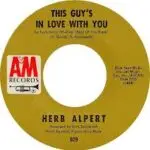
Herb Alpert remained firmly in control at number one with This Guy’s In Love With You, a polished and heartfelt ballad that had become one of the defining hits of the season. Yet the songs immediately behind it hinted that change was coming. Cliff Nobles & Co.’s instrumental smash The Horse remained a serious challenger, while The Rolling Stones exploded into the Top 5 with Jumpin’ Jack Flash, one of the band’s most powerful recordings.
The chart also showcased the growing popularity of international influences. Sergio Mendes & Brasil ’66 continued their successful run with The Look Of Love, while South African trumpeter Hugh Masekela surged into the Top 5 with the joyful instrumental Grazing In The Grass. Together, these records demonstrated how American audiences were embracing a wider range of musical styles than ever before.
Looking back, the July 6, 1968 chart captures a fascinating transition point. The polished pop sounds that had defined much of the decade still held tremendous appeal, but the harder-edged rock and innovative productions emerging in 1968 were beginning to reshape the future of popular music.
Top 5 Songs (July 6, 1968)
1. This Guy’s In Love With You – Herb Alpert
Herb Alpert remained at number one for a third consecutive week with one of the most elegant pop records of the decade. The song’s understated arrangement and sincere vocal performance offered a refreshing alternative to many of the louder records dominating radio playlists.
Alpert had already achieved enormous success as a musician, producer, and bandleader, but this hit established him as a major vocalist as well. Audiences responded to its warmth and emotional honesty, helping it become one of the year’s signature recordings.
Its continued success demonstrated that timeless songwriting and sophisticated production still had a powerful place on late-1960s radio.
2. The Horse – Cliff Nobles & Co.
The Horse held steady at number two and continued to surprise industry observers with its remarkable popularity. Instrumental hits were becoming increasingly rare at the top of the charts, making its success especially noteworthy.
The record’s driving rhythm section and powerful horn arrangement made it a favorite at parties, sporting events, and on radio stations across the country. Its infectious groove appealed to listeners of all ages.
As the summer progressed, it remained one of the strongest contenders for the top position.
3. Jumpin’ Jack Flash – The Rolling Stones
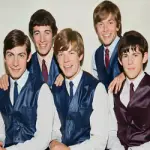
The Rolling Stones stormed into the Top 3 with Jumpin’ Jack Flash, one of the most important rock singles of their career. The song represented a return to the band’s raw, blues-inspired sound after a period of experimentation.
Its driving guitar riff and energetic performance immediately connected with audiences. The record captured the rebellious spirit that made the Stones one of the defining groups of the era.
By reaching number three in just five weeks, the song was establishing itself as one of the biggest rock hits of 1968.
4. The Look Of Love – Sergio Mendes & Brasil ’66
Sergio Mendes & Brasil ’66 climbed to a new peak position with their sophisticated interpretation of The Look Of Love. The song blended Brazilian rhythms, jazz influences, and contemporary pop into a uniquely appealing package.
Its elegant arrangement helped it stand out amid the louder and more aggressive sounds gaining popularity. Listeners were drawn to its smooth vocals and rich musical textures.
The group’s success highlighted the growing influence of international sounds on the American music landscape.
5. Grazing In The Grass – Hugh Masekela
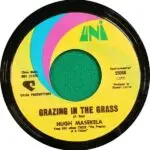
One of the week’s biggest movers was Hugh Masekela’s joyful instrumental Grazing In The Grass, which jumped from number thirteen to number five. The record’s upbeat melody and infectious rhythm made it an instant summer favorite.
Masekela’s trumpet performance gave the song a distinctive personality, while its bright and optimistic sound resonated with listeners looking for something fresh and uplifting.
The rapid climb suggested that even bigger chart success was likely in the weeks ahead.
▶ Watch and experience this song →
More Weeks at #1 for “This Guy’s in Love with You”
This song spent multiple weeks at #1 on the Billboard Hot 100. Explore each chart week below:
🎂 What Was the #1 Song on Your Birthday?
If you were born during the week ending July 6, 1968, this was your birthday song:
🎵 This Guy’s in Love with You by Herb Alpert
▶ Watch and experience this song →
🎂 Born in the 60s? Try your own birthday:
Top 10 on the Billboard Hot 100 This Week
- This Guy’s In Love With You – Herb Alpert
- The Horse – Cliff Nobles & Co.
- Jumpin’ Jack Flash – The Rolling Stones
- The Look Of Love – Sergio Mendes & Brasil ’66
- Grazing In The Grass – Hugh Masekela
- Lady Willpower – Gary Puckett And The Union Gap
- Angel Of The Morning – Merrilee Rush & The Turnabouts
- Here Comes The Judge – Shorty Long
- MacArthur Park – Richard Harris
- Reach Out Of The Darkness – Friend And Lover
Chart Movers This Week
Looking Back at July 1968
The July 6, 1968 chart highlights a fascinating blend of musical styles. Sophisticated adult pop, instrumental soul, hard rock, Brazilian-influenced jazz-pop, and upbeat summer instrumentals all coexisted in the Top 10. Few periods in music history offered such diversity at the highest levels of the charts.
The arrival of Jumpin’ Jack Flash in the Top 3 signaled the growing importance of rock music as the decade moved toward its final years. At the same time, the success of Herb Alpert and Sergio Mendes demonstrated that melody, arrangement, and musicianship remained central to popular music.
Today, this chart serves as an excellent snapshot of 1968 at its creative peak—a year when musical boundaries were expanding and listeners were eager to follow artists wherever their imaginations led.