George Martin’s Signature Sound
The Producer Who Expanded the Possibilities of the Recording Studio
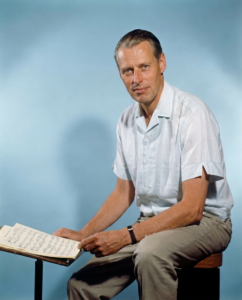
George Martin brought something to popular music that few producers of his era possessed—a deep understanding of classical music combined with a willingness to experiment. His formal training as a pianist, arranger, and composer allowed him to hear possibilities beyond the standard rock and roll recording. Rather than simply capturing a performance, Martin treated the recording studio as another instrument, helping transform the Beatles’ ideas into some of the most innovative recordings of the 1960s.
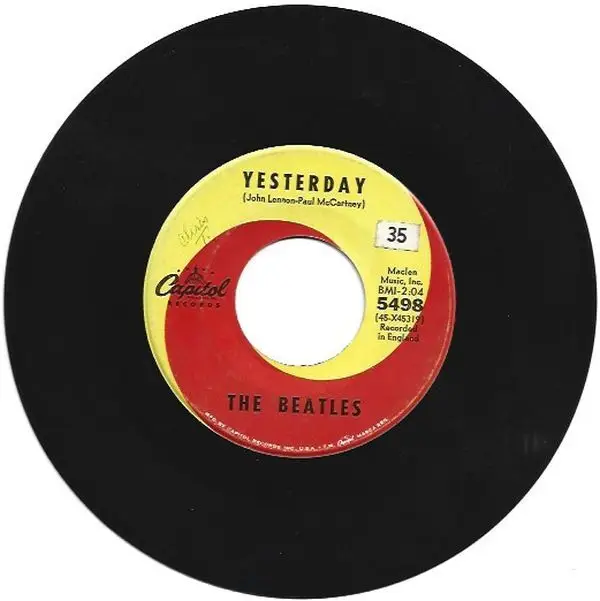
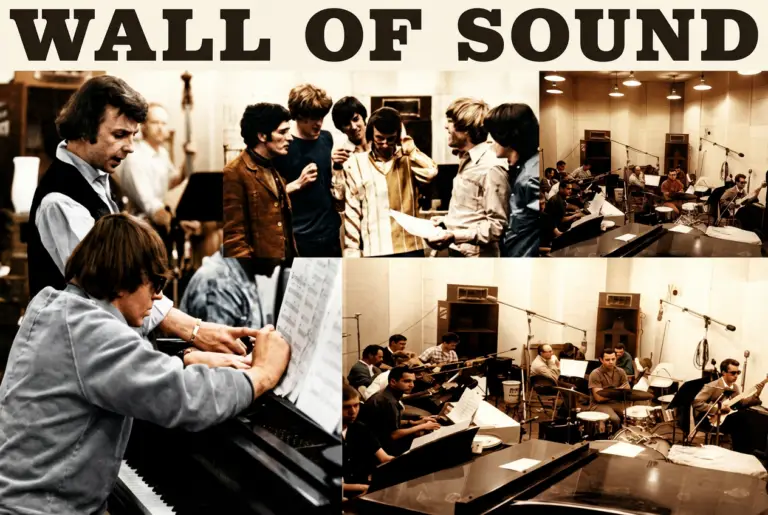
Working at EMI’s Abbey Road Studios, Martin embraced recording techniques that would eventually become standard throughout the music industry. He introduced string quartets, brass ensembles, full orchestras, tape loops, backward recordings, automatic double tracking (ADT), and creative editing into Beatles sessions. Recordings such as Yesterday, Eleanor Rigby, A Day in the Life, and Strawberry Fields Forever demonstrated that pop music could be both commercially successful and artistically ambitious.
Perhaps Martin’s greatest talent was his ability to bridge the gap between the Beatles’ imagination and the technical limitations of 1960s recording equipment. Whether translating John Lennon’s unconventional ideas into reality or writing orchestral arrangements that elevated Paul McCartney’s songs, Martin continually expanded what listeners expected from a pop record. His pioneering production techniques influenced generations of producers and helped redefine the role of the record producer in modern music.
George Martin’s Hallmarks
Hallmarks of George Martin’s Production Style
🎼 Classical Influence
Blended orchestral arrangements with modern pop and rock music.
🎙️ Studio Innovation
Used the recording studio as a creative instrument rather than simply a place to capture performances.
🎻 Elegant Arrangements
Added strings, brass, and orchestral textures that gave Beatles recordings greater emotional depth.
🎚️ Technical Experimentation
Embraced tape manipulation, automatic double tracking (ADT), and other groundbreaking recording techniques.
🎵 Creative Collaboration
Worked closely with the Beatles, helping transform their musical ideas into finished recordings while encouraging artistic experimentation.
Perhaps Martin’s greatest strength was his ability to bridge the gap between the Beatles’ imagination and the technical limitations of 1960s recording equipment. Whether translating John Lennon’s unusual ideas into reality or writing orchestral arrangements that elevated Paul McCartney’s songs, Martin continually expanded what listeners expected from a pop record. His innovative production techniques influenced generations of producers and helped redefine the role of the record producer in modern music.
Career Overview
George Martin began his career at EMI’s Parlophone label in the early 1950s, producing comedy records, novelty recordings, and classical music before meeting four young musicians from Liverpool in 1962. That meeting with the Beatles would forever change popular music.
Initially viewed as an unconventional signing, the Beatles quickly formed a creative partnership with Martin that encouraged experimentation far beyond the standard pop recordings of the day. His musical training allowed him to translate the band’s ambitious ideas into polished recordings while challenging them to push artistic boundaries.
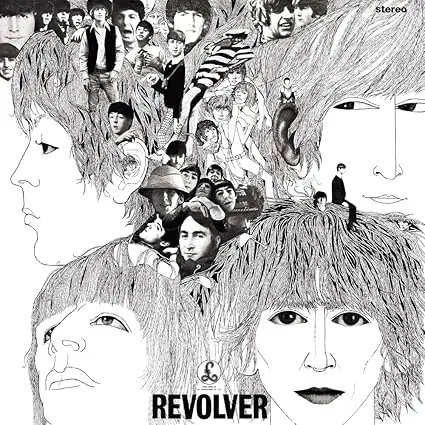
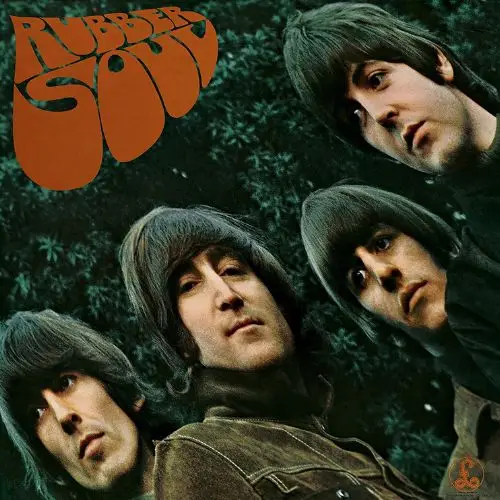
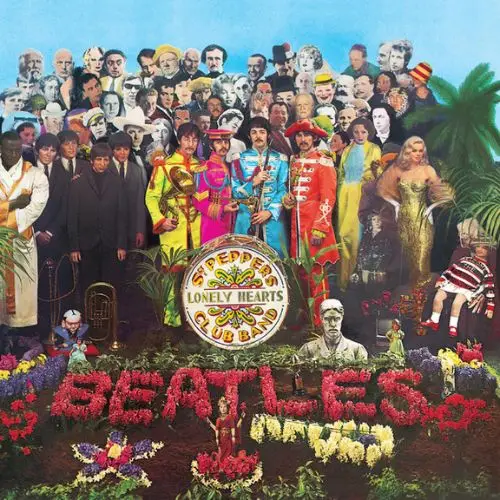
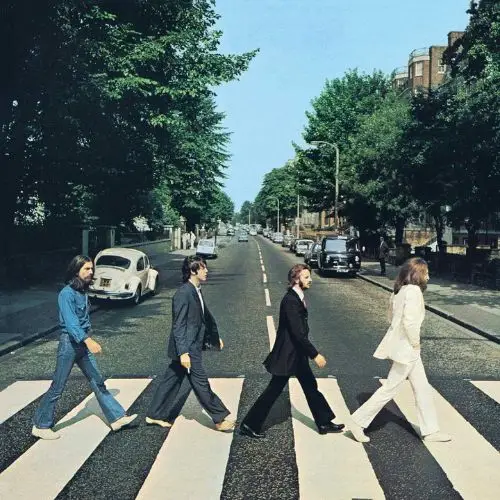
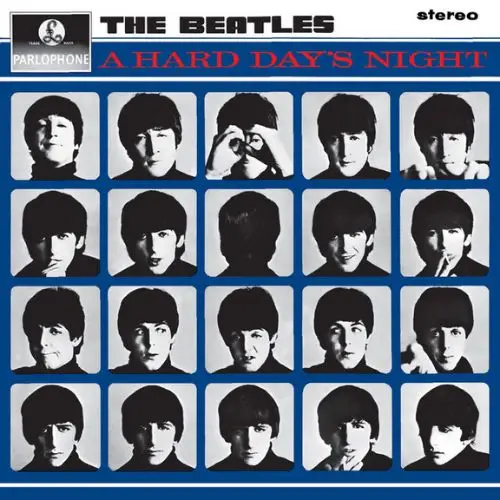
Throughout the 1960s, Martin produced many of the Beatles’ most influential albums, including Rubber Soul, Revolver, Sgt. Pepper’s Lonely Hearts Club Band, and Abbey Road. His work also extended to artists such as Cilla Black, Gerry and the Pacemakers, America, Jeff Beck, and Elton John, establishing him as one of the most respected producers in recording history.
By the end of the decade, George Martin had helped redefine what a record producer could be. Rather than remaining behind the scenes, he became a creative collaborator whose influence could be heard on nearly every recording he touched.
In 1996, George Martin was knighted for his services to music, becoming Sir George Martin—formal recognition of a career that had helped reshape popular recording and the role of the modern record producer.