Billboard Hot 100 | Top 5 – Week of September 16, 1967
The Billboard Hot 100 for September 16, 1967 kept Bobbie Gentry at No. 1 with “Ode To Billie Joe,” continuing one of the most remarkable chart runs of the year. The song’s quiet Southern mystery still had a strong grip on listeners, proving that a record did not need a big chorus or driving beat to dominate the national chart.
The upper chart remained steady, with Diana Ross & The Supremes holding at No. 2 with “Reflections” and Bobby Vee And The Strangers staying at No. 3 with “Come Back When You Grow Up.” The Box Tops continued their fast rise as “The Letter” moved from No. 5 to No. 4, while Aretha Franklin slipped one spot to No. 5 with “Baby I Love You.”
The lower half of the Top 10 showed the growing strength of soul and R&B. The Temptations reached No. 6 with “You’re My Everything,” Wilson Pickett entered the Top 10 with “Funky Broadway,” and Aretha Franklin remained in the Top 5. That gave the chart a powerful soul presence during a week still led by Bobbie Gentry’s country-flavored storytelling.
At the same time, The Beatles’ “All You Need Is Love” remained in the Top 10, while Eric Burdon & The Animals brought the San Francisco mood into the chart with “San Franciscan Nights.” This was another 1967 chart where pop, soul, rock, Motown, and storytelling all shared space.
Top 5 Songs
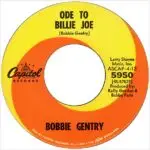
1. Ode To Billie Joe – Bobbie Gentry
“Ode To Billie Joe” held the No. 1 position again this week, extending Bobbie Gentry’s powerful run at the top of the Billboard Hot 100. The song’s success remained one of the most unusual stories of 1967.
Its quiet arrangement and conversational lyrics drew listeners into a world of family secrets, Southern heat, and unanswered questions. The mystery surrounding Billie Joe and the Tallahatchie Bridge kept people talking long after the song ended.
As a multi-week No. 1, “Ode To Billie Joe” became one of the defining records of the year. It showed that subtle storytelling could compete with The Beatles, Motown, soul, and psychedelic rock during one of the most creative periods in pop history.
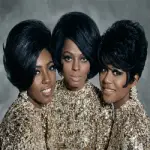
2. Reflections – Diana Ross & The Supremes
“Reflections” held at No. 2, keeping Diana Ross & The Supremes close to the top of the chart. The record marked a newer, more modern phase for the group, both in sound and billing.
The production gave the song a dramatic edge, while Diana Ross’ lead vocal carried the emotional polish that had made The Supremes one of Motown’s most successful acts. It felt familiar and forward-looking at the same time.
Its continued strength at No. 2 showed that The Supremes were still adapting successfully to the changing sound of 1967. Motown remained one of the central forces in American pop.

3. Come Back When You Grow Up – Bobby Vee And The Strangers
“Come Back When You Grow Up” held at No. 3, giving Bobby Vee And The Strangers another strong week near the top. The song brought a more traditional pop-rock sound into a chart filled with soul, Motown, and late-summer experimentation.
Bobby Vee had been a familiar voice earlier in the decade, and this record showed that he could still connect with listeners in 1967. Its melody and direct message gave it a clean, radio-friendly appeal.
Holding at No. 3 made it one of Vee’s most successful later hits. It added another layer of variety to a Top 5 already filled with storytelling, Motown, soul, and rising Southern rock-soul energy.
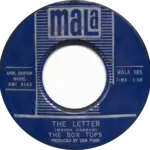
4. The Letter – The Box Tops
“The Letter” climbed from No. 5 to No. 4, continuing The Box Tops’ rapid rise. The record was short, urgent, and unforgettable, with a raw vocal sound that made it stand out immediately.
Its compact structure gave it unusual force. In less than two minutes, the song delivered a complete story of longing, travel, and emotional urgency. That directness helped make it one of the most powerful singles of the fall season.
Its rise to No. 4 showed that “The Letter” was moving quickly toward even bigger success. The Box Tops had one of the freshest sounds on the chart.
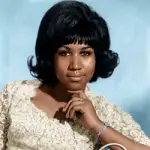
5. Baby I Love You – Aretha Franklin
“Baby I Love You” slipped from No. 4 to No. 5, but Aretha Franklin remained firmly in the Top 5. After “Respect,” she continued to prove that she was one of the defining artists of 1967.
The song carried the warmth, confidence, and vocal authority that made her Atlantic recordings so powerful. Franklin’s performance gave the record both emotional depth and radio energy.
Its continued Top 5 presence showed that Aretha’s breakthrough was becoming a sustained run of major hits. Soul music remained one of the most important sounds on the Billboard Hot 100.
More Weeks at #1 for “Ode to Billie Joe”
This song spent multiple weeks at #1 on the Billboard Hot 100. Explore each chart week below:
🎂 What Was the #1 Song on Your Birthday?
If you were born during the week ending September 16, 1967, this was your birthday song:
🎵 Ode to Billie Joe by Bobbie Gentry
▶ Watch and experience this song →
🎂 Born in the 60s? Try your own birthday:
Top 10 on the Billboard Hot 100 This Week
- Ode To Billie Joe – Bobbie Gentry
- Reflections – Diana Ross & The Supremes
- Come Back When You Grow Up – Bobby Vee And The Strangers
- The Letter – The Box Tops
- Baby I Love You – Aretha Franklin
- You’re My Everything – The Temptations
- Apples, Peaches, Pumpkin Pie – Jay And The Techniques
- All You Need Is Love – The Beatles
- San Franciscan Nights – Eric Burdon & The Animals
- Funky Broadway – Wilson Pickett
Chart Movers This Week
Why This Chart Week Mattered
The Billboard Hot 100 for September 16, 1967 mattered because it showed “Ode To Billie Joe” continuing its unusual reign at No. 1 while “The Letter” moved closer to the top. The chart was shifting from the mystery of Bobbie Gentry toward the raw urgency of The Box Tops.
This week also highlighted the strength of Motown and soul. Diana Ross & The Supremes, Aretha Franklin, The Temptations, and Wilson Pickett all appeared in the Top 10, showing how deeply soul and R&B were shaping late 1967.
At the same time, The Beatles and Eric Burdon & The Animals kept the broader 1967 cultural mood in view. The result was a chart that blended Southern storytelling, Motown polish, Atlantic soul, British rock, and American pop into another vivid snapshot of the decade.