Billboard Hot 100 | Top 5 – Week of September 2, 1967
The Billboard Hot 100 for September 2, 1967 kept Bobbie Gentry at No. 1 with “Ode To Billie Joe,” one of the most mysterious and unforgettable records of the decade. After reaching the top the previous week, the song held its place and continued to fascinate listeners with its quiet Southern storytelling and unanswered questions.
The Beatles remained at No. 2 with “All You Need Is Love,” keeping the Summer of Love’s most famous anthem close to the summit. Just beneath them, Diana Ross & The Supremes made a strong move from No. 8 to No. 3 with “Reflections,” signaling a new chapter for the group under their updated billing.
The Doors held at No. 4 with “Light My Fire,” still one of the year’s most important rock singles, while Aretha Franklin remained at No. 5 with “Baby I Love You.” That gave the Top 5 an extraordinary mix of Southern storytelling, Beatles idealism, Motown polish, psychedelic rock, and Atlantic soul.
Further down the Top 10, Bobby Vee And The Strangers made a major jump with “Come Back When You Grow Up,” James Brown kept funk energy on the chart with “Cold Sweat – Part 1,” and The Temptations and Stevie Wonder helped keep Motown strongly represented. By early September, 1967 was still producing one remarkable chart week after another.
Top 5 Songs

1. Ode To Billie Joe – Bobbie Gentry
“Ode To Billie Joe” held the No. 1 position for another week, confirming Bobbie Gentry’s remarkable breakthrough. The song was unlike almost anything else on the chart, built around a quiet vocal, sparse arrangement, and a story that left listeners with more questions than answers.
Its mystery was the heart of its appeal. The song drew people into a Southern family dinner conversation, then left them wondering about Billie Joe, the Tallahatchie Bridge, and the unspoken sadness beneath the ordinary details.
As a multi-week No. 1, “Ode To Billie Joe” proved that storytelling could be just as powerful as soul, rock, or pop spectacle. Its continued success made it one of 1967’s most distinctive chart-toppers.
2. All You Need Is Love – The Beatles
“All You Need Is Love” held at No. 2 after its week at No. 1. The song remained one of the clearest musical statements of the Summer of Love, carrying a message of unity that fit the cultural mood of 1967.
The Beatles turned a simple phrase into a worldwide anthem. Its singalong chorus and broad emotional reach helped make it feel larger than a normal pop single.
Even after leaving the top spot, “All You Need Is Love” remained central to the year. It continued to symbolize the idealism and global spirit associated with The Beatles’ 1967 work.
3. Reflections – Diana Ross & The Supremes
“Reflections” jumped from No. 8 to No. 3, giving Diana Ross & The Supremes another powerful hit. The record marked a newer sound and image for the group, with a more dramatic and contemporary feel than many of their earlier Motown classics.
The song’s production reflected the changes happening at Motown and across pop music. Its swirling effects and emotional vocal performance gave it a modern edge while still keeping the polish that made The Supremes so successful.
Its rise into the Top 3 showed that The Supremes remained one of the most important acts in America. Even as soul, funk, and psychedelic rock gained ground, Motown’s leading group continued to adapt.
4. Light My Fire – The Doors
“Light My Fire” held at No. 4, continuing its long and historic chart run. The Doors had already taken the song to No. 1, and its continued presence in the Top 5 showed how deeply it had changed the sound of the summer.
The record brought a darker, more hypnotic mood to mainstream radio. Jim Morrison’s vocal, the distinctive organ line, and the song’s atmosphere helped make it one of the defining psychedelic rock singles of 1967.
Even as it gradually moved down the chart, “Light My Fire” remained one of the year’s most important records. It opened the door for more adventurous rock sounds on the Hot 100.
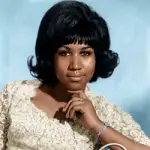
5. Baby I Love You – Aretha Franklin
“Baby I Love You” held steady at No. 5, keeping Aretha Franklin in the Top 5 after her major breakthrough with “Respect.” The record showed that Franklin’s chart power was continuing into the fall.
The song carried the emotional authority and vocal strength that made Aretha one of the defining artists of 1967. Her performance gave the record warmth, energy, and unmistakable soul.
By holding in the Top 5, “Baby I Love You” confirmed that Aretha Franklin was not just having one great moment. She was becoming one of the central voices of the decade.
More Weeks at #1 for “Ode to Billie Joe”
This song spent multiple weeks at #1 on the Billboard Hot 100. Explore each chart week below:
🎂 What Was the #1 Song on Your Birthday?
If you were born during the week ending September 2, 1967, this was your birthday song:
🎵 Ode to Billie Joe by Bobbie Gentry
▶ Watch and experience this song →
🎂 Born in the 60s? Try your own birthday:
Top 10 on the Billboard Hot 100 This Week
- Ode To Billie Joe – Bobbie Gentry
- All You Need Is Love – The Beatles
- Reflections – Diana Ross & The Supremes
- Light My Fire – The Doors
- Baby I Love You – Aretha Franklin
- Come Back When You Grow Up – Bobby Vee And The Strangers
- Cold Sweat – Part 1 – James Brown And The Famous Flames
- Pleasant Valley Sunday – The Monkees
- You’re My Everything – The Temptations
- I Was Made To Love Her – Stevie Wonder
Chart Movers This Week
Why This Chart Week Mattered
The Billboard Hot 100 for September 2, 1967 mattered because it showed “Ode To Billie Joe” holding No. 1 in a chart filled with some of the year’s most important artists. Bobbie Gentry’s quiet mystery stood above The Beatles, The Doors, Aretha Franklin, and Diana Ross & The Supremes.
This week also highlighted the continuing strength of soul and Motown. Aretha Franklin, James Brown, Diana Ross & The Supremes, The Temptations, and Stevie Wonder all appeared in the Top 10, making the chart a powerful snapshot of Black music’s influence on 1967.
At the same time, the presence of The Beatles, The Doors, The Monkees, and Bobbie Gentry showed the wide creative range of the year. The Hot 100 had become a place where mystery, idealism, funk, soul, pop, and psychedelic rock could all compete at once.