Billboard Hot 100 | Top 5 – Week of September 9, 1967
The Billboard Hot 100 for September 9, 1967 kept Bobbie Gentry at No. 1 with “Ode To Billie Joe,” continuing one of the most fascinating chart runs of the year. In a decade filled with loud declarations, psychedelic breakthroughs, and soul explosions, Gentry’s quiet Southern mystery continued to hold America’s attention.
Diana Ross & The Supremes climbed to No. 2 with “Reflections,” bringing Motown polish and a more modern sound close to the top. Bobby Vee And The Strangers moved from No. 6 to No. 3 with “Come Back When You Grow Up,” while Aretha Franklin climbed to No. 4 with “Baby I Love You.”
The biggest new force in the Top 5 was The Box Tops, whose “The Letter” jumped from No. 15 to No. 5. Its gritty vocal and compact soul-rock sound gave the chart a fresh burst of energy and pointed toward one of the biggest hits of the fall.
Further down the Top 10, The Beatles, The Temptations, The Doors, Jay And The Techniques, and Eric Burdon & The Animals helped create another remarkably diverse 1967 chart. Storytelling, Motown, soul, rock, pop, and counterculture imagery were all competing side by side.
Top 5 Songs
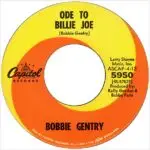
1. Ode To Billie Joe – Bobbie Gentry
“Ode To Billie Joe” held the No. 1 position for another week, proving that Bobbie Gentry’s mysterious story song had become one of the defining records of late summer 1967. Its quiet arrangement and conversational storytelling made it stand apart from nearly everything else on the Hot 100.
The song’s power came from what it left unsaid. Listeners were drawn into the mystery of Billie Joe, the Tallahatchie Bridge, and the family conversation that revealed so much without explaining everything.
As a multi-week No. 1, “Ode To Billie Joe” became one of the most unusual chart-toppers of the decade. It showed that atmosphere, character, and mystery could be just as powerful as a big chorus or driving beat.
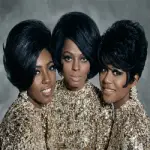
2. Reflections – Diana Ross & The Supremes
“Reflections” climbed from No. 3 to No. 2, giving Diana Ross & The Supremes another major hit. The record marked a new phase for the group, with a sound that felt more dramatic and contemporary than many of their earlier classics.
The production gave the song a modern edge, while Diana Ross’ vocal carried the familiar elegance that had made The Supremes one of Motown’s most successful acts. It was polished, emotional, and forward-looking.
Its rise to No. 2 showed that The Supremes were still adapting successfully in a rapidly changing musical landscape. Motown remained near the center of American pop music.

3. Come Back When You Grow Up – Bobby Vee and The Strangers
“Come Back When You Grow Up” climbed from No. 6 to No. 3, giving Bobby Vee And The Strangers one of the week’s biggest Top 5 moves. The song brought a more traditional pop-rock sound into a chart filled with soul, Motown, and psychedelic holdovers.
Vee had been a familiar chart presence earlier in the decade, and this record showed he could still connect with radio audiences in 1967. Its clean melody and direct emotional theme helped it stand apart from some of the more experimental records around it.
Its climb to No. 3 made it one of Bobby Vee’s strongest later-career hits and gave the Top 5 another example of how many different styles could still succeed during this remarkable year.
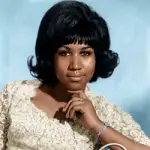
4. Baby I Love You – Aretha Franklin
“Baby I Love You” climbed from No. 5 to No. 4, continuing Aretha Franklin’s extraordinary 1967 run. After the impact of “Respect,” Franklin remained one of the most important and powerful voices on the Hot 100.
The record carried the confidence, warmth, and emotional authority that made her Atlantic recordings so influential. Her vocal performance gave the song drive and feeling, keeping soul music firmly represented in the upper chart.
Its rise showed that Aretha’s breakthrough was becoming a sustained chart force. She was no longer just having a moment; she was shaping the sound of the era.
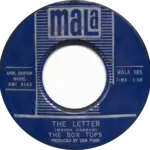
5. The Letter – The Box Tops
“The Letter” made a major jump from No. 15 to No. 5, introducing The Box Tops as one of the most exciting new acts on the chart. The song’s raw vocal, tight arrangement, and urgent feel made it sound immediately different from the polished pop around it.
At less than two minutes, the record wasted no time. Its compact structure, soulful edge, and memorable airplane-ticket theme gave it instant radio appeal.
Its arrival in the Top 5 signaled that “The Letter” was moving fast toward even bigger success. The record would soon become one of the defining hits of the fall of 1967.
▶ Watch and experience this song →
More Weeks at #1 for “Ode to Billie Joe”
This song spent multiple weeks at #1 on the Billboard Hot 100. Explore each chart week below:
🎂 What Was the #1 Song on Your Birthday?
If you were born during the week ending September 9, 1967, this was your birthday song:
🎵 Ode to Billie Joe by Bobbie Gentry
▶ Watch and experience this song →
🎂 Born in the 60s? Try your own birthday:
Top 10 on the Billboard Hot 100 This Week
- Ode To Billie Joe – Bobbie Gentry
- Reflections – Diana Ross & The Supremes
- Come Back When You Grow Up – Bobby Vee And The Strangers
- Baby I Love You – Aretha Franklin
- The Letter – The Box Tops
- All You Need Is Love – The Beatles
- You’re My Everything – The Temptations
- Light My Fire – The Doors
- Apples, Peaches, Pumpkin Pie – Jay And The Techniques
- San Franciscan Nights – Eric Burdon & The Animals
Chart Movers This Week
Why This Chart Week Mattered
The Billboard Hot 100 for September 9, 1967 mattered because it showed “Ode To Billie Joe” still holding No. 1 while a new fall sound was beginning to emerge. The Box Tops’ rapid climb with “The Letter” signaled that a rawer, tighter soul-rock record was about to take over the national conversation.
This week also showed Motown and soul at full strength. Diana Ross & The Supremes, Aretha Franklin, The Temptations, and James Brown’s recent chart presence all reflected the continuing influence of Black music on the Hot 100.
At the same time, The Beatles, The Doors, Bobbie Gentry, Bobby Vee, and Eric Burdon & The Animals gave the chart a wide creative range. It was another strong example of how 1967 blended storytelling, soul, psychedelia, pop, and rock into one extraordinary year.